






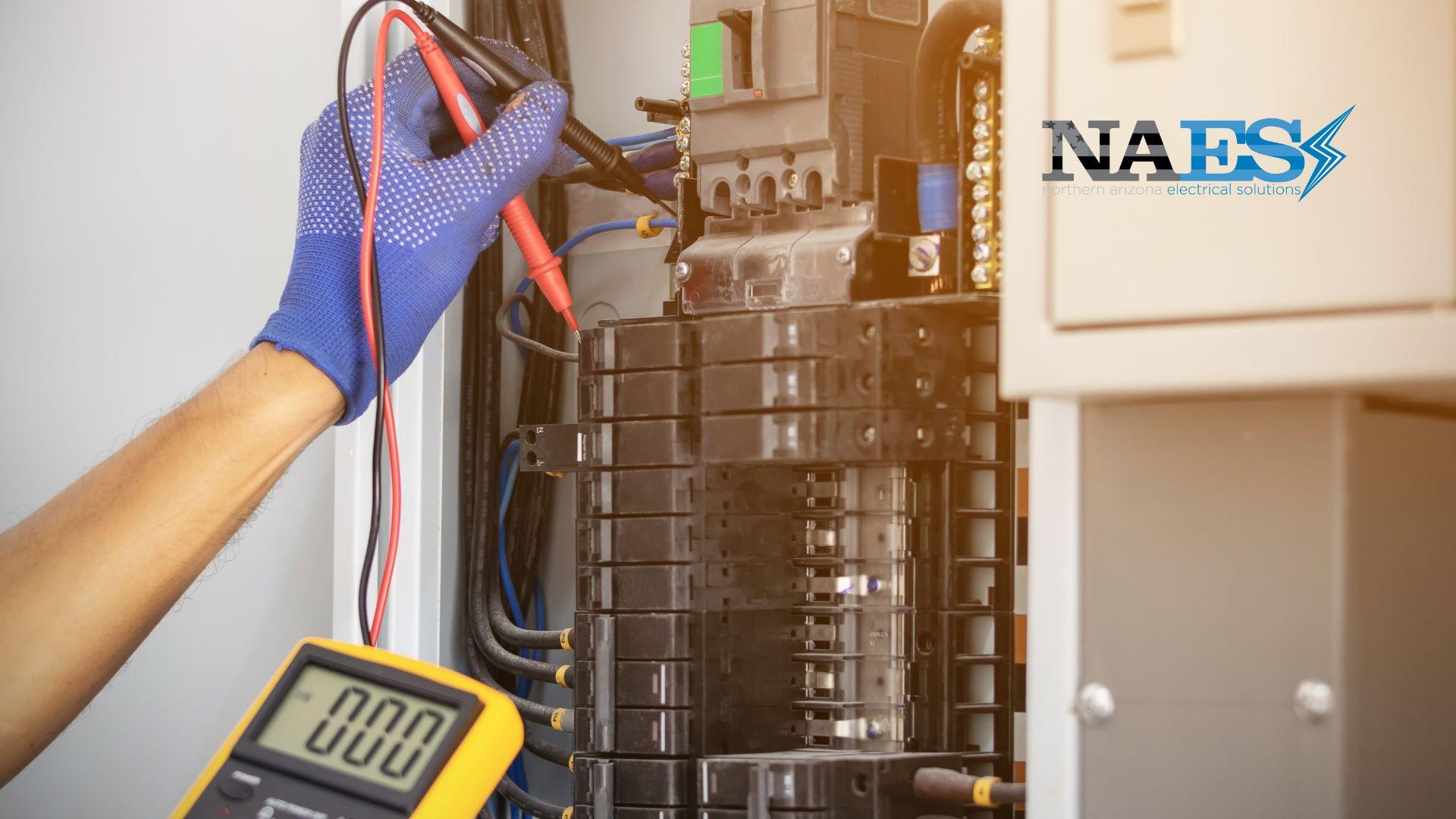
Three-phase power delivers the stable, efficient electricity that commercial buildings, workshops, and high-demand homes rely on every day. Whether you are adding new machinery, expanding a business, or preparing your home for higher electrical loads, upgrading to a three-phase system can give you the power capacity and reliability you need.
In Northern Arizona extreme seasonal temperature swings place added strain on electrical systems. Winter heating demands, commercial HVAC loads, and increased use of high-powered equipment make power stability especially important for local homes and businesses.
At Northern Arizona Electrical Solutions, we walk you through each step of the process so you always know what to expect — from the initial assessment to final activation. This guide breaks down the timeline, cost factors, and what your installation will involve from start to finish.
Why Consider a Three-Phase Power Upgrade
Three-phase systems deliver the steady, stable power that single-phase service often can’t. This makes them ideal for supporting:
- Larger electrical loads
- Heavy shop tools
- Commercial HVAC systems
- Industrial machinery
- EV charging equipment
- High-efficiency motors and pumps
Three-phase systems also support more efficient motors, often reaching 85-95% efficiency compared to around 75-85% typical for single-phase, which means smoother operation and lower energy costs. In practical terms, this added efficiency is especially valuable in Flagstaff, where Northern Arizona’s winter heating cycles and summer cooling demands can cause significant fluctuations in power usage throughout the year.
Signs You May Need Three-Phase Power
Common indicators include:
- Equipment straining or failing to start
- Frequent breaker trips
- Voltage drops during peak operation
- Plans for new high-power machinery
We commonly see this scenario in Flagstaff workshops and light industrial spaces. In several recent NAES projects, equipment struggling to start was a clear sign that the existing single-phase service could no longer support operational demands.
If your current system is struggling, see our guide on electrical system upgrade signs.
What Is Involved in a Three-Phase Power Installation
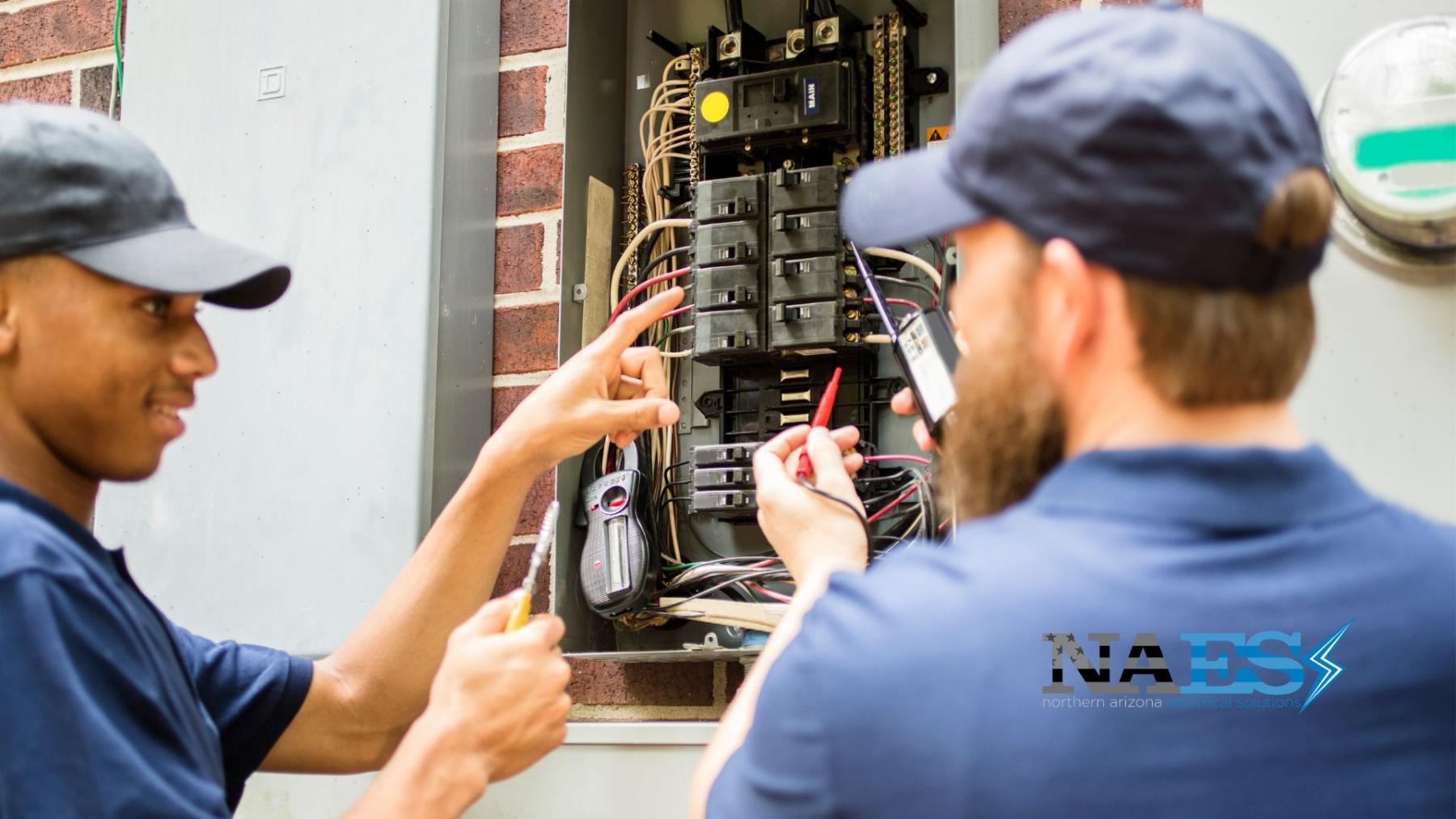
Three-phase installations require coordination between your electrician, the utility provider, and local permitting officials. Here is what the process looks like in Northern Arizona.
1. Initial Site Assessment and Load Calculation
Before anything begins, a licensed electrician determines your required power load. This includes:
- Current equipment loads
- Future expansion needs
- Utility availability
- Panel size and condition
NAES Pro Tip: In many older Flagstaff commercial buildings, we find panels that were never designed to handle modern electrical loads. Identifying this early helps avoid delays and unexpected costs later in the project.
2. Utility Company Coordination
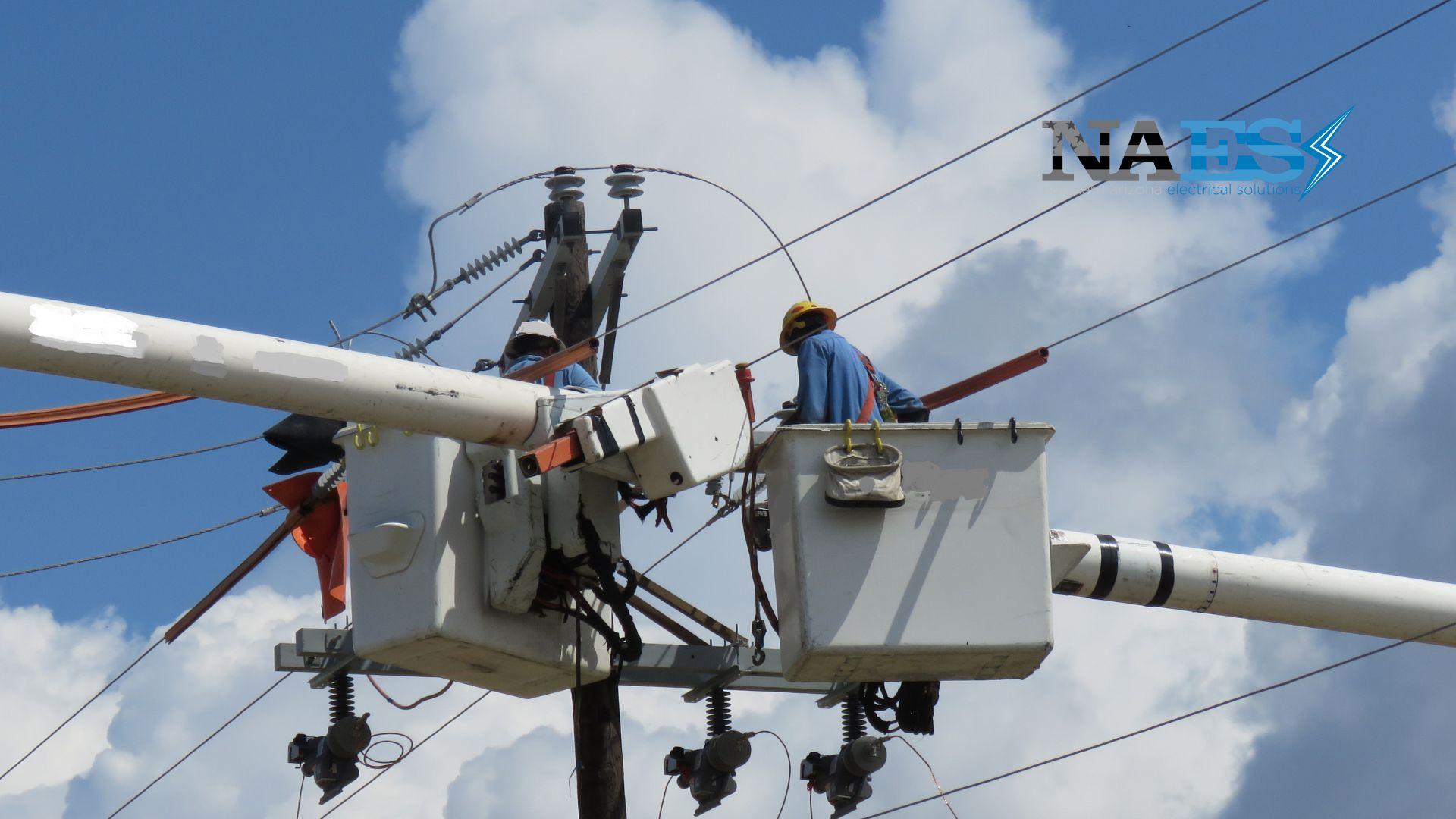
Three-phase service availability depends on location. Across Northern Arizona, some properties already have three-phase power available at the street, while others require utility upgrades such as new transformers or service extensions.
Your electrician will work with the utility to:
- Confirm access
- Submit upgrade requests
- Schedule transformer or service line modifications
This step can impact three-phase power installation cost significantly and varies on a case-by-case basis.
3. Permits and Inspections
All work must meet the National Electrical Code, local amendments, and permitting requirements.
NAES handles:
- Permit applications
- Inspection scheduling
- Compliance documentation
This ensures a smooth, safe installation.
4. Installation of Three-Phase Equipment
Installation typically includes:
- Upgraded service panels
- New feeders and conduit
- New grounding system
- New circuit breakers
- Connections to machinery or equipment
Commercial properties may also require additional safety controls. OSHA recommends reliable grounding and proper overcurrent protection for industrial installations. Read more at www.osha.gov.
5. Final Testing and Power Activation
Once installed, your electrician tests voltage balance, load distribution, grounding, and equipment startup. After the utility completes its final connection, your system will be ready for use.
Three-Phase Power Installation Cost in Northern Arizona
Costs vary based on:
- Distance to existing three-phase lines
- Size of the service upgrade
- Equipment requirements
- Panel upgrades
- Commercial or residential property
- Utility construction fees
Typical ranges include:
- Residential installation: $8,000 to $25,000
- Commercial installation: $15,000 to $60,000+
In many Northern Arizona commercial installations, the largest cost variables come from utility coordination and panel upgrades. Projects located near existing three-phase infrastructure often stay toward the lower end of the range, while properties requiring new transformers or service extensions fall toward the higher end. The best way to determine your exact commercial three-phase power installation price is through an on-site evaluation.
What to Expect and How to Prepare
Upgrading to three-phase power is an investment in your property’s long-term stability and performance. While the process involves planning and coordination, it ultimately gives you a dependable electrical system that can handle today’s needs and tomorrow’s expansion.
At Northern Arizona Electrical Solutions, we guide you through each step so you always understand the timeline and what the upgrade includes. If you are considering a three-phase installation for your home or business, our team is ready to support you with honest advice and professional service.