







6 Hidden Electrical Hazards You Probably Overlook in Your Home
Most electrical hazards do not start with sparks or smoking outlets. They start quietly behind walls, under rugs, and inside older electrical systems.
Around Flagstaff, where many homes have been remodeled and expanded over decades, these hidden hazards are more common than many homeowners realize. Small electrical issues can build over time while everything still seems to be working normally.
Knowing where these risks hide can help keep your home and family safer.
1. Overloaded Outlets and Power Strips
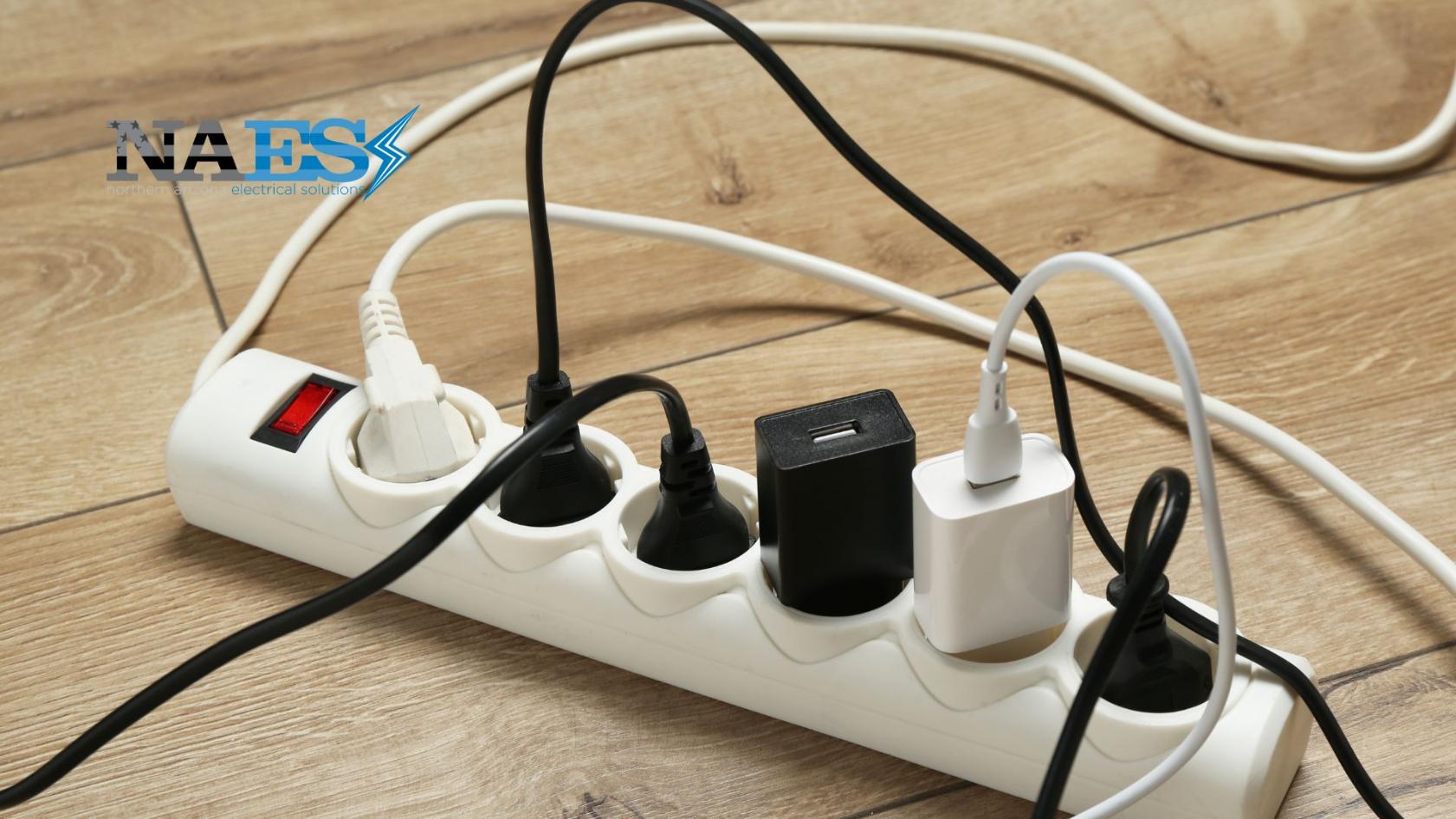
One of the most common overlooked electrical safety risks is something almost every household does at some point: plugging too many things into one outlet.
Modern homes rely on far more electronics than homes built in the 1970s or 80s. Between televisions, computers, kitchen appliances, and charging stations, outlets fill up quickly. Power strips and extension cords make it easy to keep adding devices, but the electrical circuit behind that outlet still has limits.
When several high-draw appliances run from the same outlet or power strip, the wiring can heat up over time. This type of overloaded outlet home situation is one of the quiet ways electrical fires can start. It rarely happens instantly. Instead, the wiring gradually experiences stress that weakens insulation and connections.
If you notice warm outlets, flickering lights when appliances turn on, or frequent breaker trips, it may be time to have the circuit evaluated.
2. Extension Cords That Became Permanent Wiring
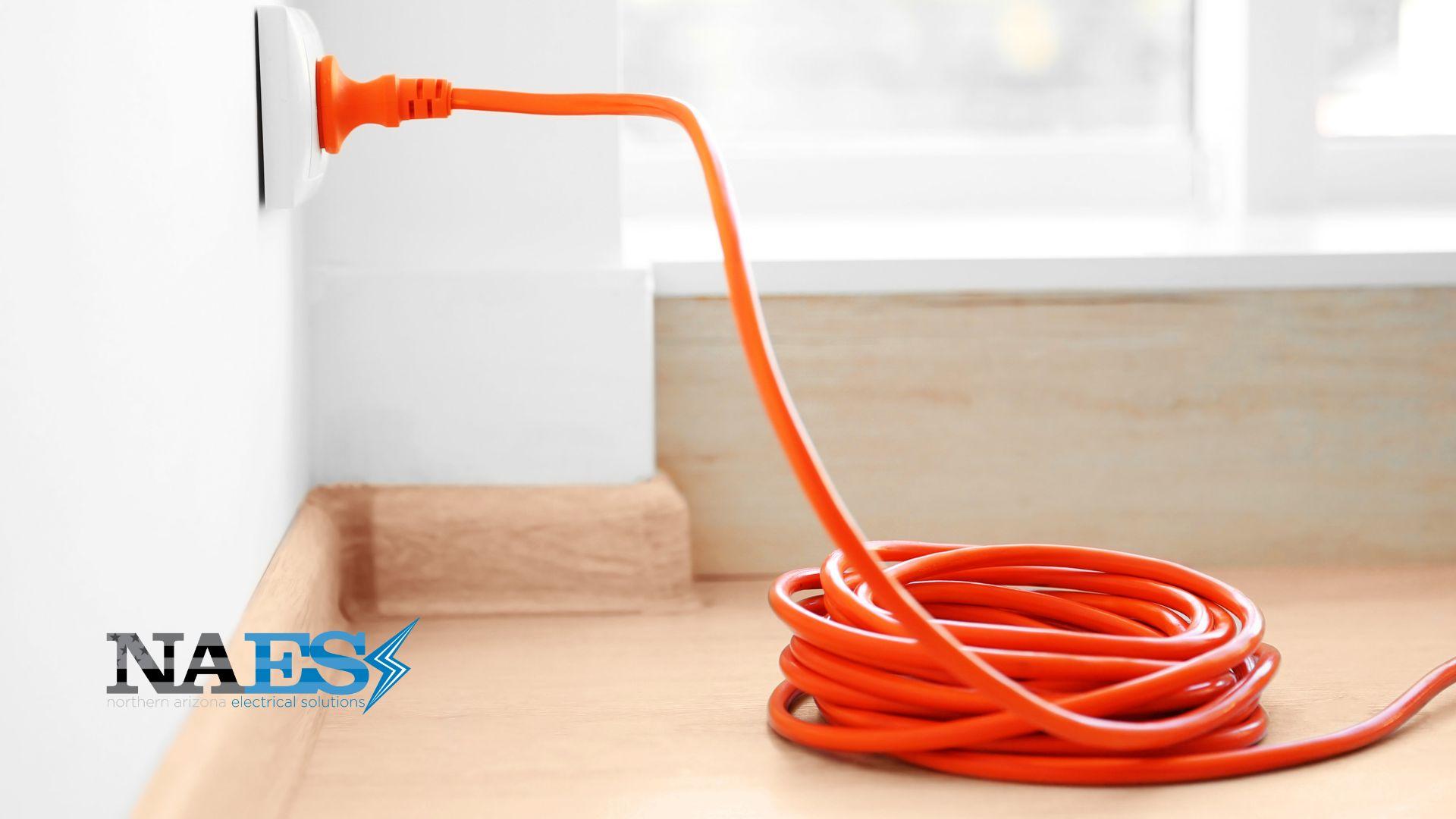
Extension cords are helpful tools, but they are meant for temporary use. In many homes, however, they end up becoming a long-term solution when outlets are not conveniently located.
You might see one running behind a couch, along a hallway, or across a garage workspace. Over time, cords like these can become damaged by foot traffic, furniture pressure, or simple wear.
When extension cords stay in place for months or years, they create a hidden risk. Insulation can break down, connections can loosen, and cords may overheat if they are carrying more current than intended.
If your home relies on extension cords regularly, it often means the electrical layout no longer matches how the space is being used. Adding new outlets is usually a safer and more permanent solution.
3. Old Wiring That Was Never Updated
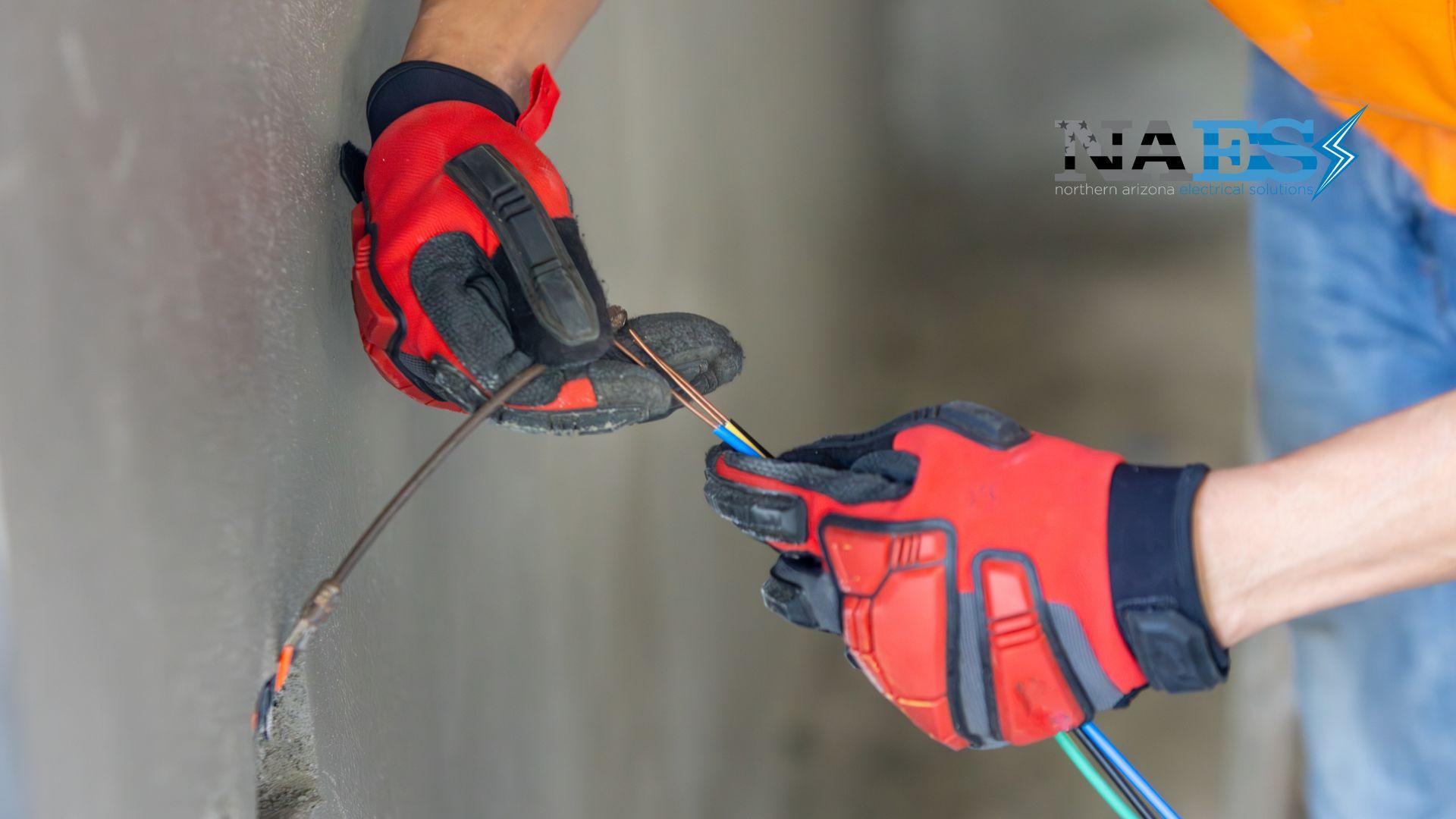
Flagstaff has many beautiful older homes, and part of their charm comes from the character they have developed over decades. However, older homes sometimes contain wiring systems that were designed for a much smaller electrical load.
Older aluminum wiring, aging insulation, or outdated branch circuits can all become an old wiring fire hazard if they are left in place too long. As insulation becomes brittle or connections loosen, the chance of overheating increases.
Homeowners often do not realize their wiring is outdated because everything still appears to work. Lights turn on and appliances run, so the system seems fine. In reality, it may simply be operating under more strain than it was designed for.
If your home was built several decades ago and has never had a major electrical update, it may be worth having an electrician take a closer look.
For a deeper look at electrical system warning signs, you can read: 6 Signs You Need a New Electric Panel
This guide explains several indicators that your system may need attention to stay safe.
4. Loose Outlets and Switches
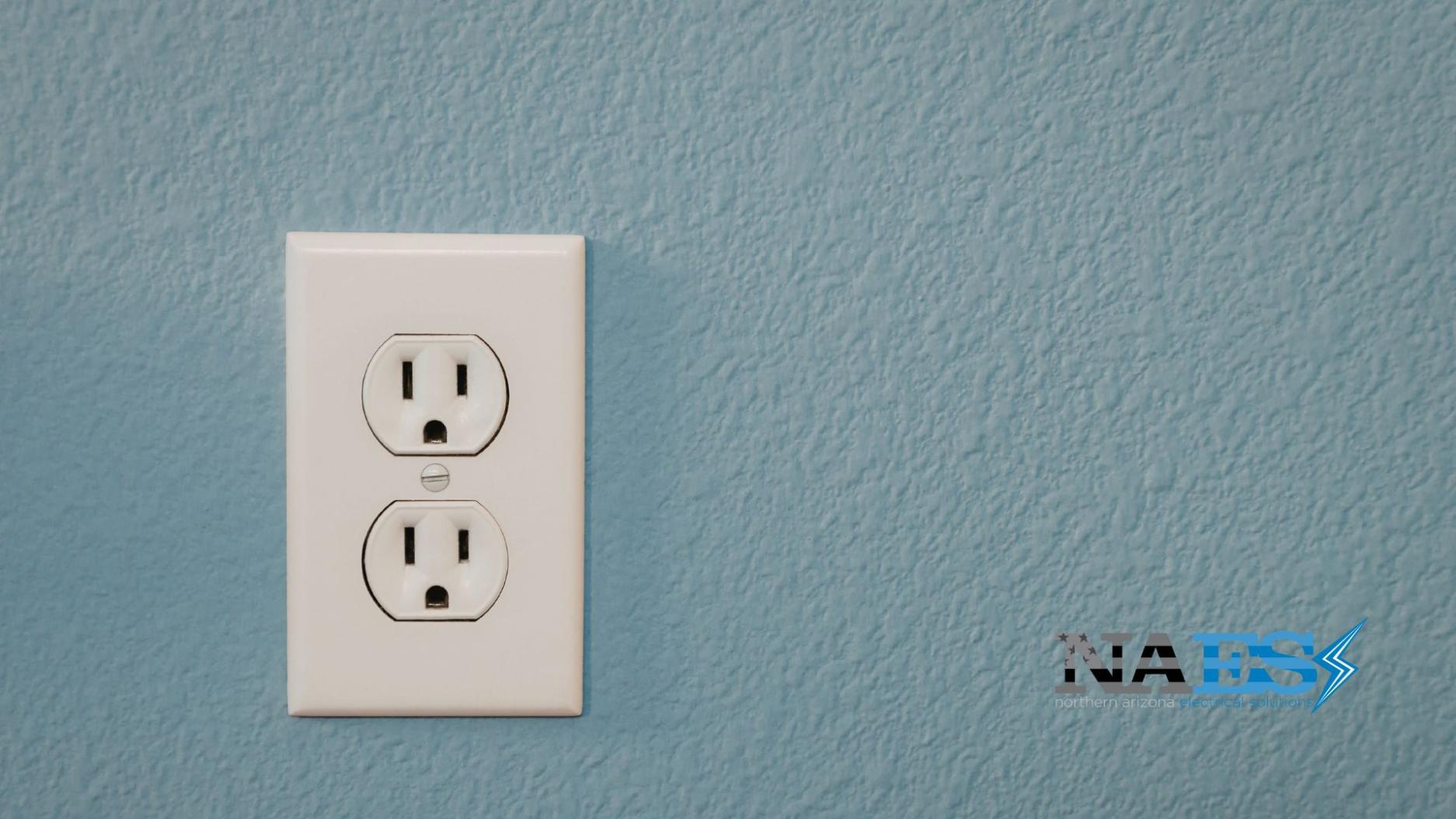
A loose outlet might seem like a minor annoyance, but it can be an early sign of a bigger issue.
When outlets or switches move around in the wall box, the electrical connections behind them may also be shifting. Over time, those connections can loosen enough to create small arcs of electricity when devices are plugged in or removed.
These arcs produce heat and can slowly damage the wiring or outlet itself. If an outlet feels wobbly, it is worth having it tightened or replaced before it leads to a larger problem.
5. DIY Electrical Work from Past Projects
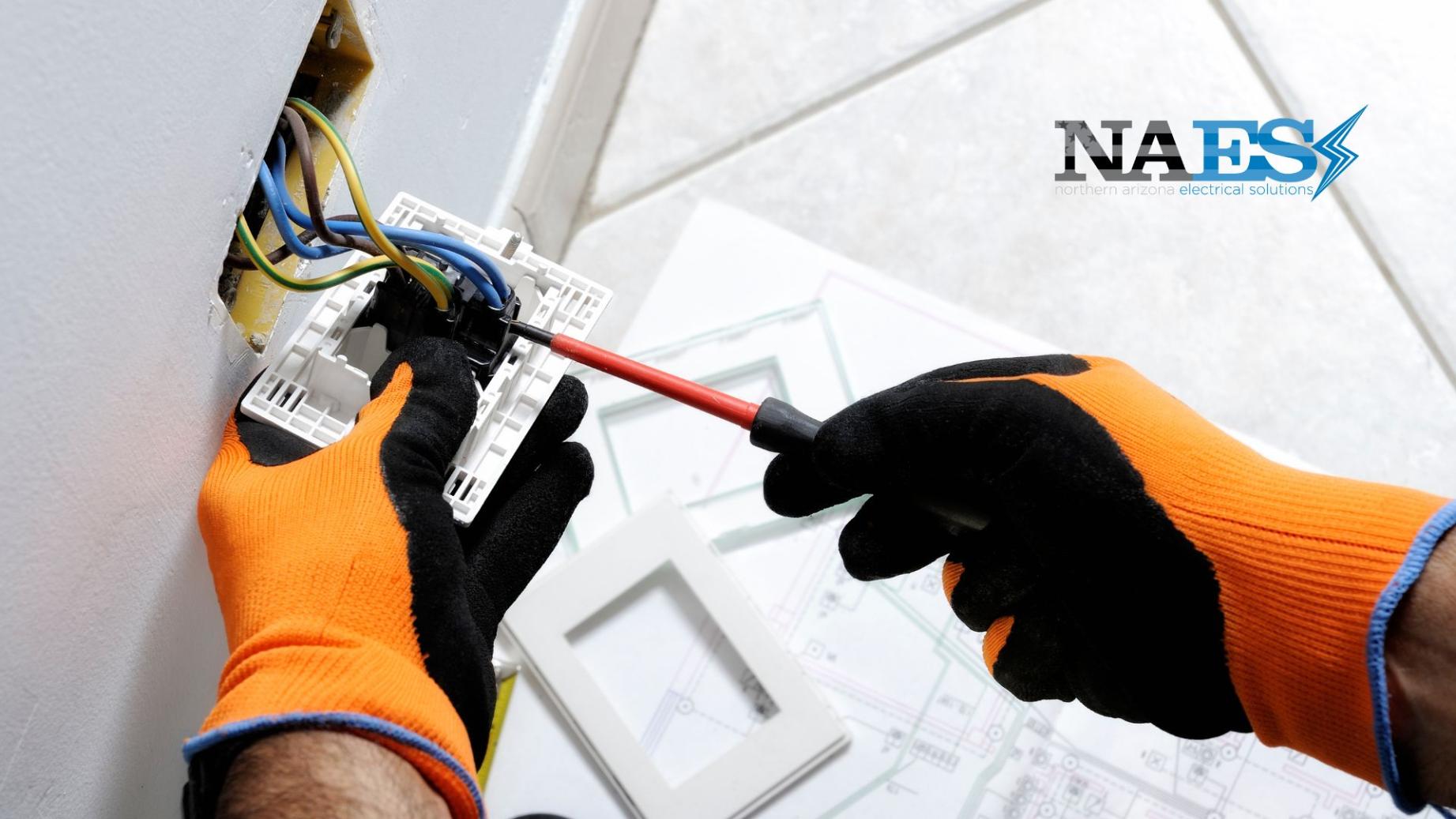
Homeowners in Northern Arizona often take pride in improving their homes. Small renovations, lighting upgrades, or garage projects are common weekend tasks.
The challenge is that electrical systems can become complicated quickly. A project that seems straightforward can easily turn into a DIY electrical hazard if connections are not made properly or circuits become overloaded.
We occasionally see junction boxes hidden behind drywall, mismatched wire sizes, or circuits that were extended without proper protection. These situations are not always visible on the surface, but they can create long-term safety risks.
If your home has gone through multiple remodels over the years, it can be helpful to have a licensed electrician review the system and make sure everything was done safely.
6. Outdoor Electrical Connections Exposed to Weather
Flagstaff’s weather brings a unique mix of conditions. Homes experience intense sun in the summer, heavy snow in the winter, and occasional monsoon storms.
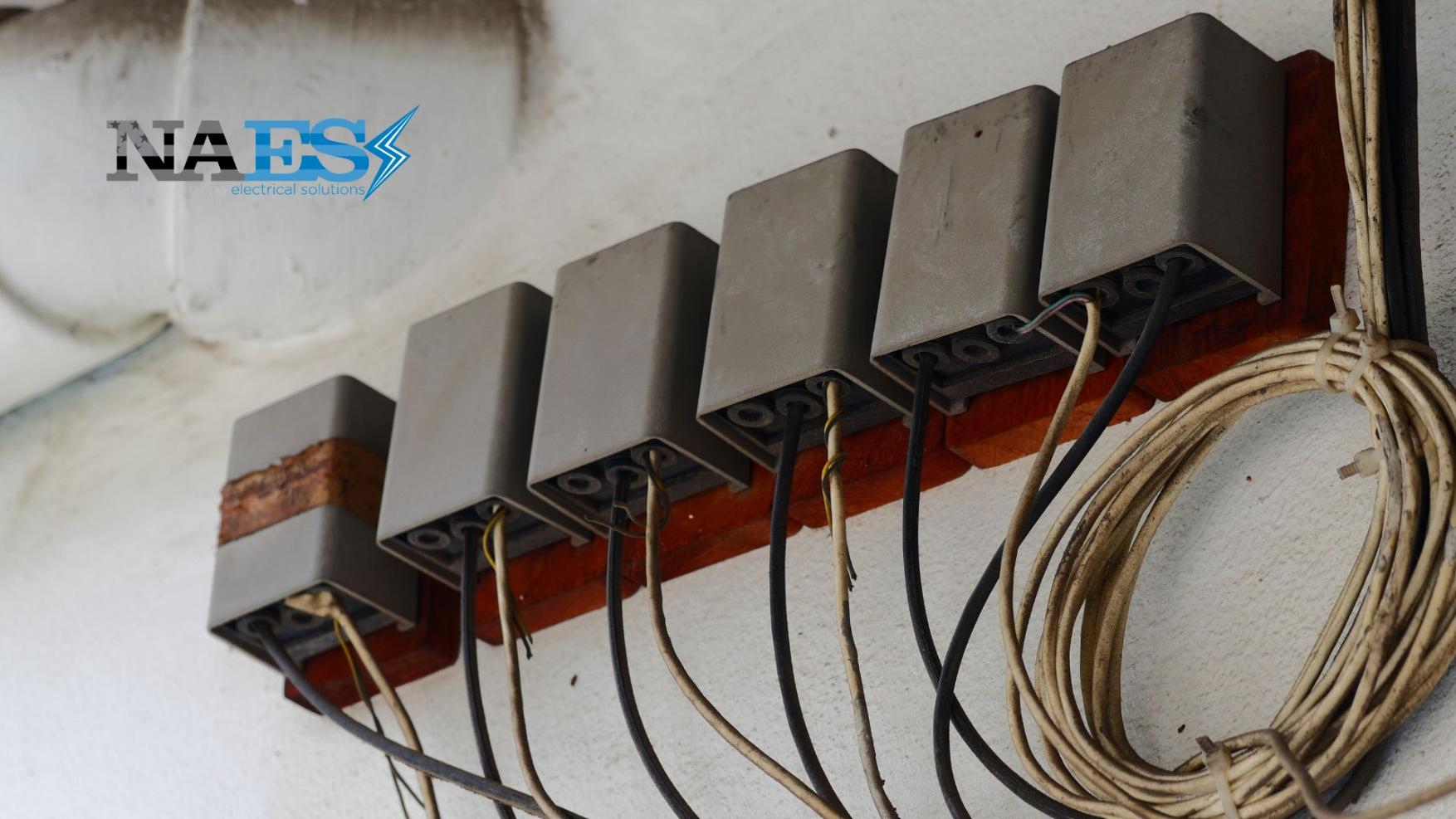
Outdoor outlets, lighting fixtures, and wiring connections face all of these elements. Over time, moisture can work its way into boxes or fixtures that are not properly sealed.
When water and electricity meet, the result can be corrosion, short circuits, or shock hazards. Ground fault circuit interrupter outlets, often called GFCIs, help protect outdoor areas and places where moisture is present.
You can learn more about where these outlets should be installed in this guide: Why GFCI Outlets Are Essential for Kitchen, Bathroom, and Outdoor Safety
These outlets play an important role in protecting homes from electrical shock and moisture-related issues.
Why Small Electrical Problems Should Not Be Ignored
Electrical systems are designed with safety in mind, but they still rely on good wiring, solid connections, and circuits that are not pushed beyond their limits.
The challenge with many hidden electrical hazards in a home is that they do not create immediate problems. Lights still work, appliances still run, and everything appears normal. Meanwhile, wires may be slowly overheating or connections gradually loosening behind the walls.
Addressing small issues early is usually much easier than waiting until something stops working entirely. In many cases, a simple inspection can reveal whether your home’s electrical system is still keeping up with how the house is used today.
If something around your home has started to seem unusual, whether it is a warm outlet, flickering lights, or a breaker that trips more often than it used to, it is worth taking a closer look.
At Northern Arizona Electrical Solutions, we spend a lot of time helping homeowners understand what is happening behind the scenes in their electrical systems. If you ever have questions about something in your home, feel free to call us and talk it through. A quick conversation can often point you in the right direction.
A Safer Home Starts with a Healthy Electrical System
Most electrical problems do not start with sparks or dramatic failures. They begin quietly with small conditions that are easy to overlook.
Overloaded outlets, aging wiring, loose connections, and outdoor exposure are all examples of hazards that can sit unnoticed for years. As homes evolve with new technology, appliances, and renovations, electrical systems sometimes struggle to keep up.
Being aware of these hidden risks helps homeowners catch potential issues before they turn into bigger safety concerns. A quick inspection or a professional opinion can go a long way toward protecting your home and the people who live in it.
Call us today at 928-563-6237 or reach out to schedule a professional electrical safety inspection by filling out the form online.